Why Snagging Surveys Matter for UK New-Build Buyers
By
Snag My New Home Team
December 4, 2025
Updated
October 6, 2026
8 min read
Share
In this guide: what a snagging survey is, how it supports warranty claims, how hidden defects are found and how to use your snag list with the builder.
Most British homebuyers are surprised to learn that over eighty percent of new-build properties have hidden defects that need attention. With so much at stake, moving into a home with unresolved problems can quickly become a major financial and legal headache. This guide explains how a professional snagging survey helps British buyers avoid common pitfalls, protect their investment, and ensure that their new property meets the highest possible standards.
What Is A Snagging Survey?
A snagging survey is a professional property inspection specifically designed for new-build homes, where expert surveyors meticulously document and assess potential defects or imperfections before a homeowner takes full possession. These comprehensive evaluations help identify both minor cosmetic issues and potentially significant structural problems that might compromise the quality and safety of a newly constructed property.
Typically, a snagging survey involves a detailed examination of every aspect of a new home, from foundations to finishing touches. Independent inspectors assess multiple critical areas, including:
Paintwork and decorative finishes
Electrical systems and wiring
Plumbing and heating installations
Structural elements and building fabric
Windows, doors, and external joinery
Flooring and tiling
Roof and external areas
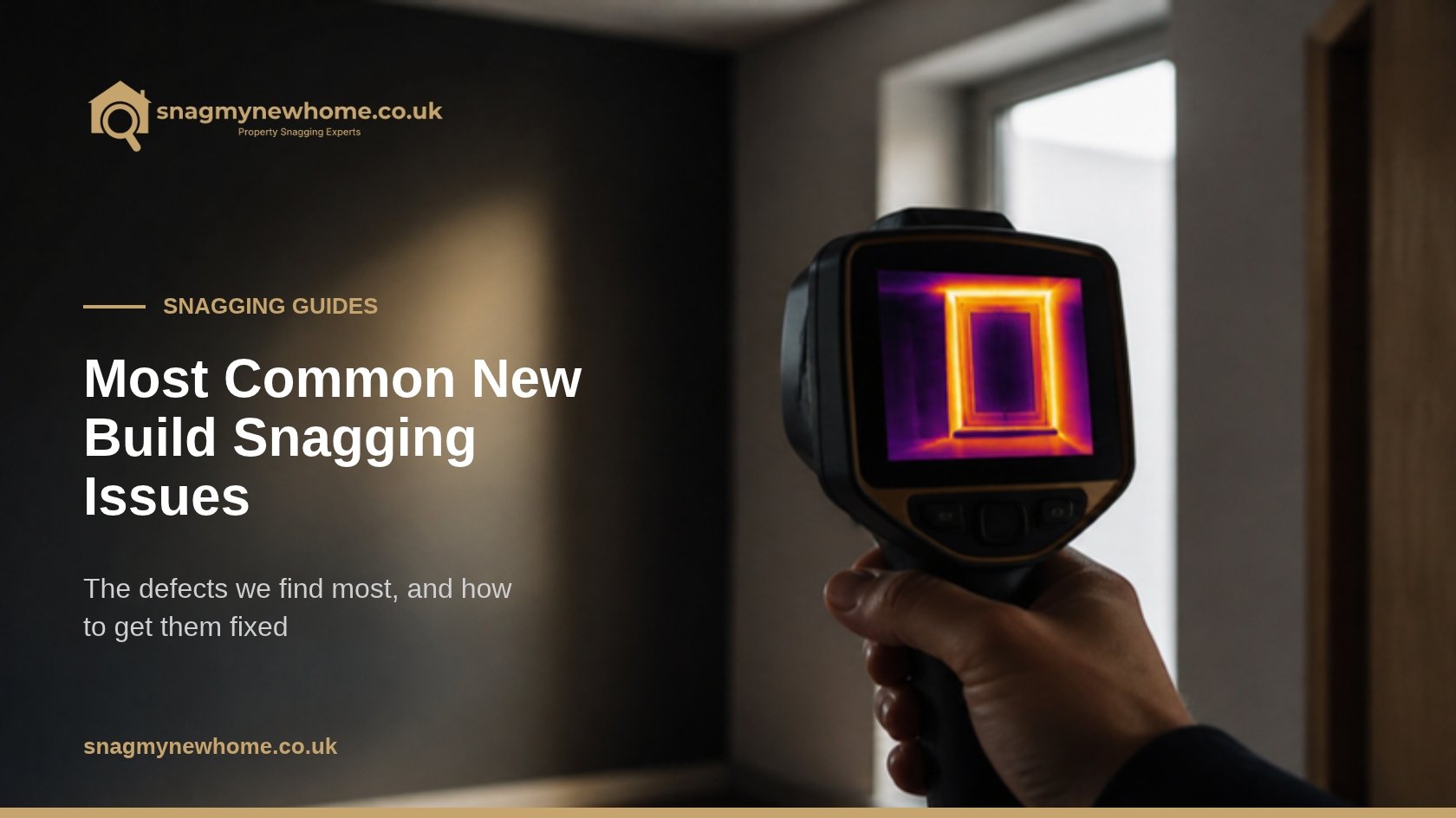
The purpose of these surveys goes far beyond a simple walkthrough. As defined by the Residential Property Surveyors Association (RPSA), a snagging survey aims to ensure that new-build properties meet rigorous industry standards and warranty requirements. Trained professionals use advanced equipment like thermal scanners and moisture metres to detect issues that might be invisible to an untrained eye, providing homeowners with a comprehensive report that documents every potential problem.
While some homeowners might consider skipping this step, a professional snagging survey offers substantial protection. These inspections help buyers identify defects while they’re still under the builder’s warranty, ensuring that any issues can be rectified at no additional cost. The detailed documentation provides a clear record of the property’s condition, which can be crucial for future maintenance, potential disputes, and protecting your significant property investment.
How Snagging Activates Warranties
Warranties for new-build properties are complex legal agreements that provide critical protection for homeowners, but they’re only effective when specific procedures are followed correctly. Activating your property’s warranty requires a strategic approach that begins with thorough documentation of any defects discovered during the initial inspection period.
The warranty activation process typically involves several key steps:
Conduct a comprehensive snagging survey within the specified timeframe
Document all identified defects with detailed written descriptions
Photograph and record evidence of each issue
Submit a formal report to the property developer
Follow up to ensure all identified problems are addressed
Homeowners must understand that most new-build warranties have strict time-sensitive conditions. Builders are generally obligated to rectify defects identified during the initial period, which is usually between legal completion and the first 12 months of ownership. Failing to document and report issues promptly can result in losing the right to have problems addressed under the warranty terms.
Most major warranty providers, including the National House Building Council (NHBC) and Premier Guarantee, require meticulous evidence and timely reporting. By conducting a professional snagging survey, homeowners create a legally robust record that compels developers to address construction shortcomings. This proactive approach not only protects your financial investment but also ensures that your new home meets the highest standards of quality and safety.
Detecting Hidden Defects Early
Detecting hidden defects in a new-build property requires far more than a casual walkthrough. Thermal imaging and advanced diagnostic tools have revolutionised the ability to uncover concealed issues that could potentially compromise a home’s structural integrity and performance. Professional snagging surveys employ sophisticated techniques to reveal problems invisible to the untrained eye.
These hidden defects can manifest in numerous critical areas:
Insulation gaps and thermal bridging
Moisture penetration in walls and foundations
Electrical system irregularities
Subtle structural misalignments
Inadequate ventilation systems
Potential water drainage problems
Concealed plumbing deficiencies
Professional inspectors use specialised equipment like infrared cameras, moisture metres, and acoustic detection tools to identify issues that might otherwise go unnoticed. These advanced diagnostic methods can reveal problems such as potential heat loss, water ingress, or structural weaknesses that could lead to significant repair costs if left unaddressed.
The importance of early detection cannot be overstated. Identifying and documenting these hidden defects during the initial inspection period enables homeowners to address potential issues before they escalate into more substantial and expensive problems. By conducting a comprehensive survey, you create a robust record of the property’s condition, protecting your investment and ensuring that your new home meets the highest standards of quality and safety.
Legal And Safety Responsibilities
New-build properties are subject to a complex web of legal and safety regulations that extend far beyond simple construction standards. Building compliance represents a critical responsibility for developers, with specific statutory requirements governing everything from structural integrity to electrical safety and environmental performance.
The key legal responsibilities encompass several critical areas:
Adherence to Building Regulations
Compliance with Health and Safety Standards
Structural Integrity and Performance
Electrical and Plumbing Safety
Energy Efficiency Requirements
Fire Safety Provisions
Accessibility Standards
Developers are legally obligated to ensure that each new-build property meets rigorous national standards before transfer of ownership. This includes comprehensive checks on fundamental aspects such as structural soundness, electrical systems, fire safety mechanisms, and overall build quality. Any deviation from these standards can result in significant legal consequences, including potential compensation claims and mandatory rectification.
Homeowners play a crucial role in enforcing these legal responsibilities through professional snagging surveys. By meticulously documenting and reporting any deficiencies, buyers create a legally robust record that compels developers to address potential breaches. This proactive approach not only protects the homeowner’s investment but also ensures that the property meets the highest standards of safety, performance, and regulatory compliance.
Saving Money Through Snagging
Professional snagging surveys are a strategic investment that can potentially save homeowners thousands of pounds in future repair costs. Cost prevention is the cornerstone of these comprehensive inspections, with detailed survey reports identifying potential issues before they escalate into expensive structural or systemic problems.
The potential financial savings from a snagging survey can be substantial and multifaceted:
Negotiating repair responsibilities with developers
Protecting warranty-covered rectification rights
Each undetected defect represents a potential financial liability that could compound over time. Minor issues like improper insulation, subtle electrical irregularities, or small structural misalignments might seem insignificant initially but can lead to exponential repair costs if left unaddressed. Professional snagging surveys provide a comprehensive financial shield, transforming potential future expenses into preventative maintenance strategies.
Homeowners who invest in professional snagging inspections effectively create a financial buffer against unexpected repair costs. By documenting and addressing defects during the initial warranty period, buyers ensure that developers rectify problems at no additional expense. This proactive approach not only protects your immediate financial investment but also safeguards the long-term value and structural integrity of your new home.
Leveraging Snag Lists With Builders
Navigating the delicate process of addressing construction defects requires a strategic approach, and professional documentation is key to effective communication. Comprehensive snag lists serve as a critical tool for homeowners to hold builders accountable and ensure quality standards are met during the initial warranty period.
Successful interaction with builders involves several strategic elements:
Maintaining a professional and factual tone
Providing clear, photographic evidence of defects
Referencing specific building regulations
Documenting all communication
Setting realistic timelines for rectification
Understanding your contractual rights
Tracking progress of repairs systematically
The effectiveness of a snag list lies in its precision and comprehensiveness. Each identified issue should be meticulously described, including exact location, nature of the defect, potential implications, and relevant building standards that have been compromised. This approach transforms the snag list from a mere complaint document into a professional, actionable report that builders cannot easily dismiss.
Homeowners who approach builders with well-documented, objective evidence are more likely to secure prompt and comprehensive repairs. By presenting a thorough, evidence-based snag list, you demonstrate a commitment to quality and create a collaborative environment for resolving construction deficiencies. This professional approach not only protects your investment but also establishes a constructive dialogue with the property developer.
Protect Your Investment with Expert Snagging Surveys
When you are buying a new-build home in the United Kingdom, the challenge of uncovering hidden defects and ensuring builders honour their warranty obligations can be overwhelming. This article highlights the importance of meticulous snagging surveys to identify issues like structural defects, electrical system irregularities, and moisture penetration before it is too late. Your goal as a homeowner is clear: document every snag with precision to secure repairs and preserve your property’s quality and safety.
Snag My New Home specialises in helping buyers like you navigate this crucial phase with confidence. Our RPSA and RICS accredited surveyors use advanced equipment such as thermal scanners and moisture metres to reveal problems unseen by the untrained eye. By choosing our professional snagging inspections, you receive detailed builder-friendly reports within 36 hours, comprehensive photographic evidence, and expert advice to activate your warranty effectively.
Don’t risk costly repairs or losing your warranty rights. Book your survey online today and turn uncertainty into reassurance. Ensure your new home lives up to the quality you expect by acting now before your warranty period ends.
Frequently Asked Questions
What is a snagging survey?
A snagging survey is a professional inspection of a new-build property that identifies defects or imperfections before the homeowner takes possession. It helps uncover cosmetic issues and significant structural problems.
Why is a snagging survey important for new-build homeowners?
A snagging survey helps protect homeowners by documenting defects that can be rectified under the builder’s warranty, ensuring the property meets industry standards and safeguarding the home investment.
What defects can a snagging survey uncover?
A snagging survey can reveal various issues, including problems with paintwork, electrical systems, plumbing installations, structural elements, and concealed defects like insulation gaps and moisture penetration.
How does a snagging survey activate property warranties?
Conducting a snagging survey allows homeowners to document defects within the initial inspection period, enabling them to report issues to the builder and ensuring these are addressed under warranty conditions.
Key Takeaways
Professional snagging surveys identify defects in new-build properties, ensuring quality and safety for homeowners.
Prompt documentation of defects is crucial for activating warranties and ensuring builders address issues.
Advanced tools like thermal imaging help reveal hidden defects, protecting homeowners from future costs.
A well-documented snag list improves communication with builders and helps get issues resolved.
Snag My New Home Team
RPSA Accredited Inspector, Snag My New Home
Our articles are written and reviewed by the Snag My New Home inspection team: RPSA accredited snagging inspectors who check new build homes across London, the South East and the East of England every week. We share what we find on site so you know what to look for before and after completion.
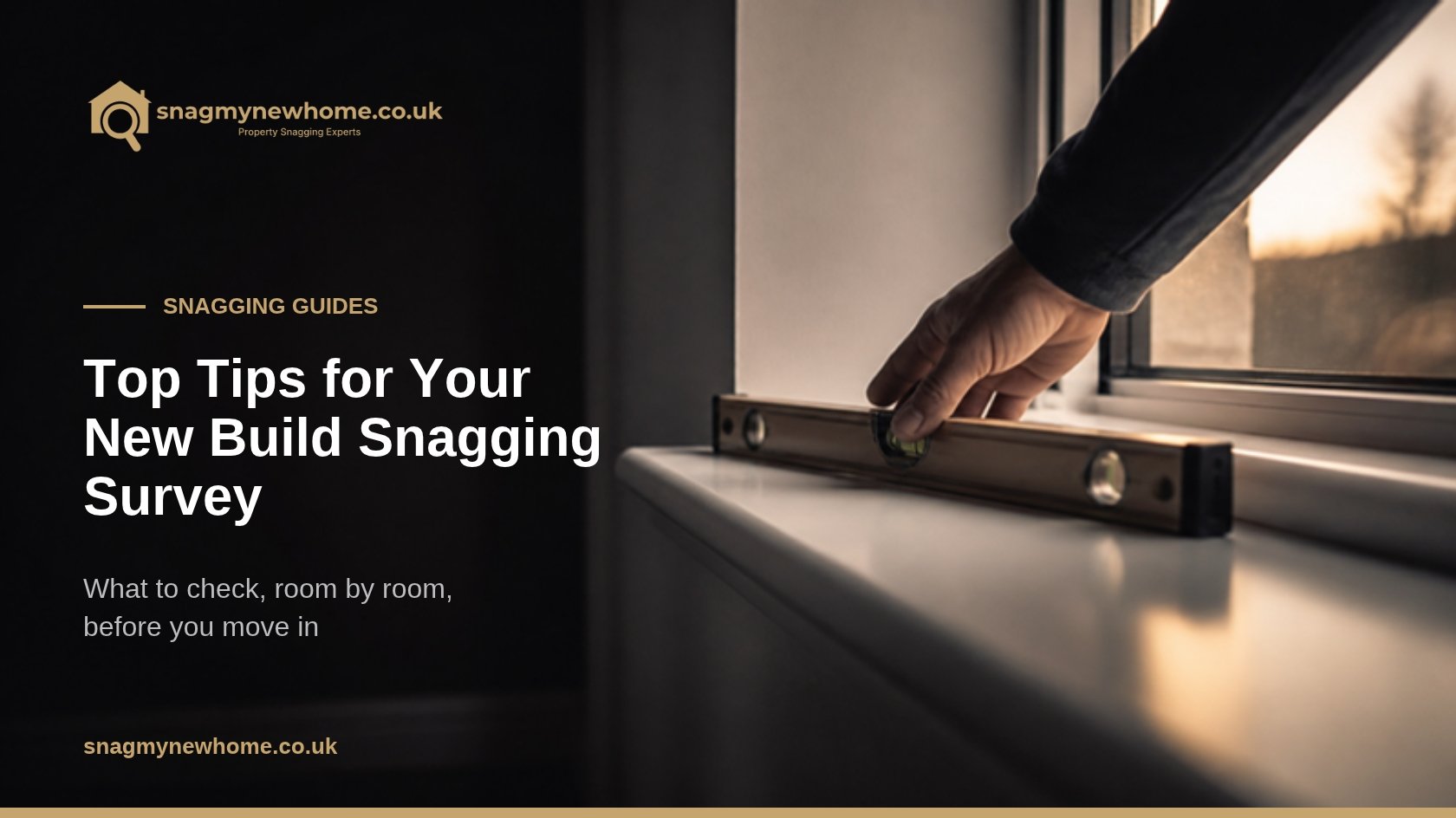
Seven practical tips for inspecting a new-build home: windows and doors, walls and floors, plumbing and electrics, thermal scans, loft and outside, and how to record snags.
A seven-step defects checklist for new-build buyers: walls and roof, windows and doors, plumbing, electrics, heating and insulation, finishes and documenting it all.
From cosmetic finishes to structural, plumbing and electrical faults, these are the defects our inspectors find most often in new build homes and how to get them fixed.
What makes a snagging company exceptional, from experience and independence to detailed reports and the right tools, and how to choose the right one for your new build.